

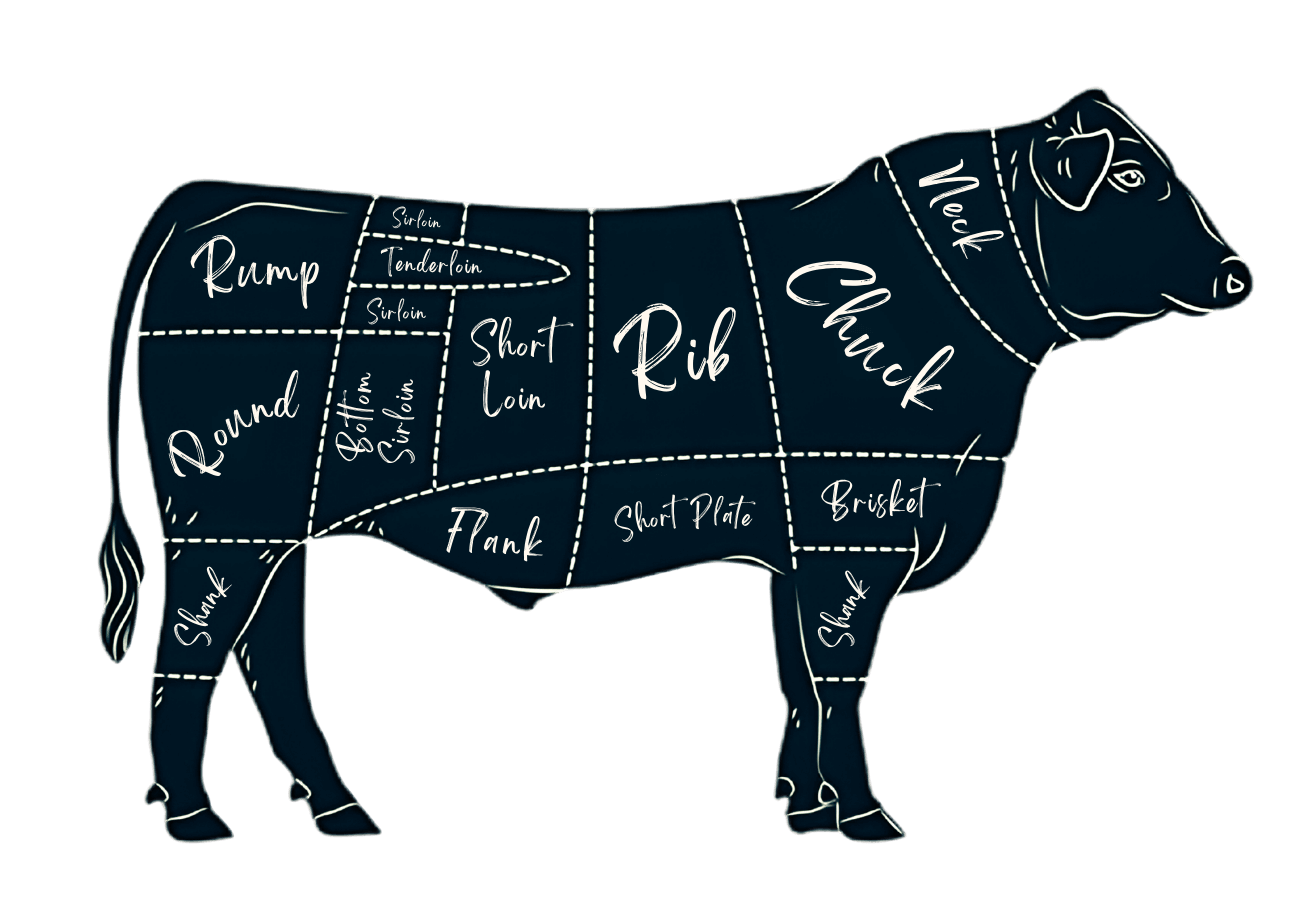
UIB Beef Cuts Guide
- Brisket
- Brisket Flat
- Brisket Skirt
- Brisket Points
- Shoulder Clod
- Shoulder Clod XT
- Top Blade-Flat Iron
- Bladeless Clod
- Clod Heart
- Teres Major
- 2 Piece Chucks
- Pectorial
- Chuck Roll Neck Off
- Chuck Roll Retail Ready
- Chuck Tenders
- Chuck Flap
- Banana Tender
- Rib Fingers
- Chuck Short Ribs - Boneless
- Chuck Back Ribs
- Chuck Spare Ribs
- Chuck Spare Ribs Fresh
- Flank End Plates
- Flank Steak
- Short Loin 0x1
- Short Loin 2x3
- Bone-In Strip Loin
- Lean Loin Tails
- Fat on Loin Tails
- Striploin 0x1 XT
- Top Butt XT
- Top Butt Center
- Top Butt Center Steak Ready
- Top Sirloin Butt 2pc Fat On Cap
- Top Butt Sirloin Caps Fat On
- Sirloin Flap
- Tri Tips Fat On
- Peeled Tri Tips
- Tri Tips XT ⅛ Inch Trim
- 189A Tenderloin PSMO
- 190 Tenderloin PSMO
- Beef Loin Butt Tenders
- Rose Meat Trimmed
- Plate Fingers
- Short Plate, Full Navel
- Short Plate, Trimmed Navel
- Super Trimmed Navel for Pastrami
- Short Plate Pieces
- Short Plate Strips
- Outside Skirt
- Inside Skirt
- Peeled Outside Skirt
- BI Plate Short Rib 3 Bone
- Back Ribs FRZ
- Chuck Short Ribs
- Hanging Tenders
- Fat On Cap Meat
- Lifter Meat, Cap Meat
- 107 Rib
- Rib Blade Meat
- Cowboy 2 Inch Frenched
- Tomahawk 6 Inch Frenched
- Rib Export Long Bone
- Rib Export Bone In
- Ribeye Lip-On 2x2
- Ribeye Lip-On HVY
- Rib Short Rib Boneless
- Short Rib Tip Fresh
- Upper Plate
- Hind Shank
- Round, USDA Choice or Higher
- Boneless Round with Knuckle
- Round, Peeled Knuckle
- Inside Round
- Inside Round XT
- Top Round XT SMO
- Inside Round COSMO
- Inside Round Denuded
- 169 Top Round, Denuded Cap Off INSCO
- Round Oyster
- Gooseneck Bottom Round
- Round, Outside Flats
- Eye of Round
- Round, Heel Meat
- Digital Flexor
- Angus Trim 50% Lean Combo
- Trim 50% Lean Boxed FRZ
- Angus Trim 85% Lean Combo
- Trim 85% Lean Boxed FRZ
- Angus 65% Lean Combo
- Angus Chuck Trim 75% Lean Combo
- Angus Chuck Trim 80% Lean Combo
- Angus Chuck Trim 85% Lean Combo
- Achilles Tendon FZ
- Femur C/C Bone FRZ
- Femur Bone Whole Combo
- Double Bone Combo
- Arm Bones FRZ
- Neck Bone FZ Bulk
- Patella Bone
- Neck Bone Fresh
- Knuckle Bone FRZ
- Neck Bone
- Untested Kidney Fat FRZ
- 85% Lean Grind
- 80% Lean Chuck Blend Grind
- 75% Lean Chuck Blend Grind
- 78% Lean Chuck brisket Grind
- Brisket Bones, USDA Choice or Higher
- Metacarpus FZ
- Hock Bones
- Skirt Membrane
- Flank Membrane
- Large Intestine
- Hearts No Test FRZ
- Kidney FRZ
- Livers FRZ
- Livers 2 per Box FR of FZ
- Oxtail FR
- Tongues FRZ
- Metacarbus FZ
- Tongue Root
- Trachea FRZ
- Backstrap
- Heads FRZ
- Lips FRZ
- Cheek Meat FRZ
- Salvary Glands FZ
- Flexor tendon FZ
- Tripe FZ
- Tripe #2
- Tripe, Honeycomb Attached
- Honeycombe Tripe FZ
- Omasum FZ
- Abomasum Tripe
- Pizzles
- Aorta FZ
- Weasand Meat
- Sweetbreads, Thymus Gland
Grades of Beef
Beef quality in the United States is evaluated through a standardized grading system developed by the United States Department of Agriculture (USDA). These grades help buyers and consumers understand expected tenderness, juiciness, and flavor based on marbling (intramuscular fat) and the maturity of the animal.
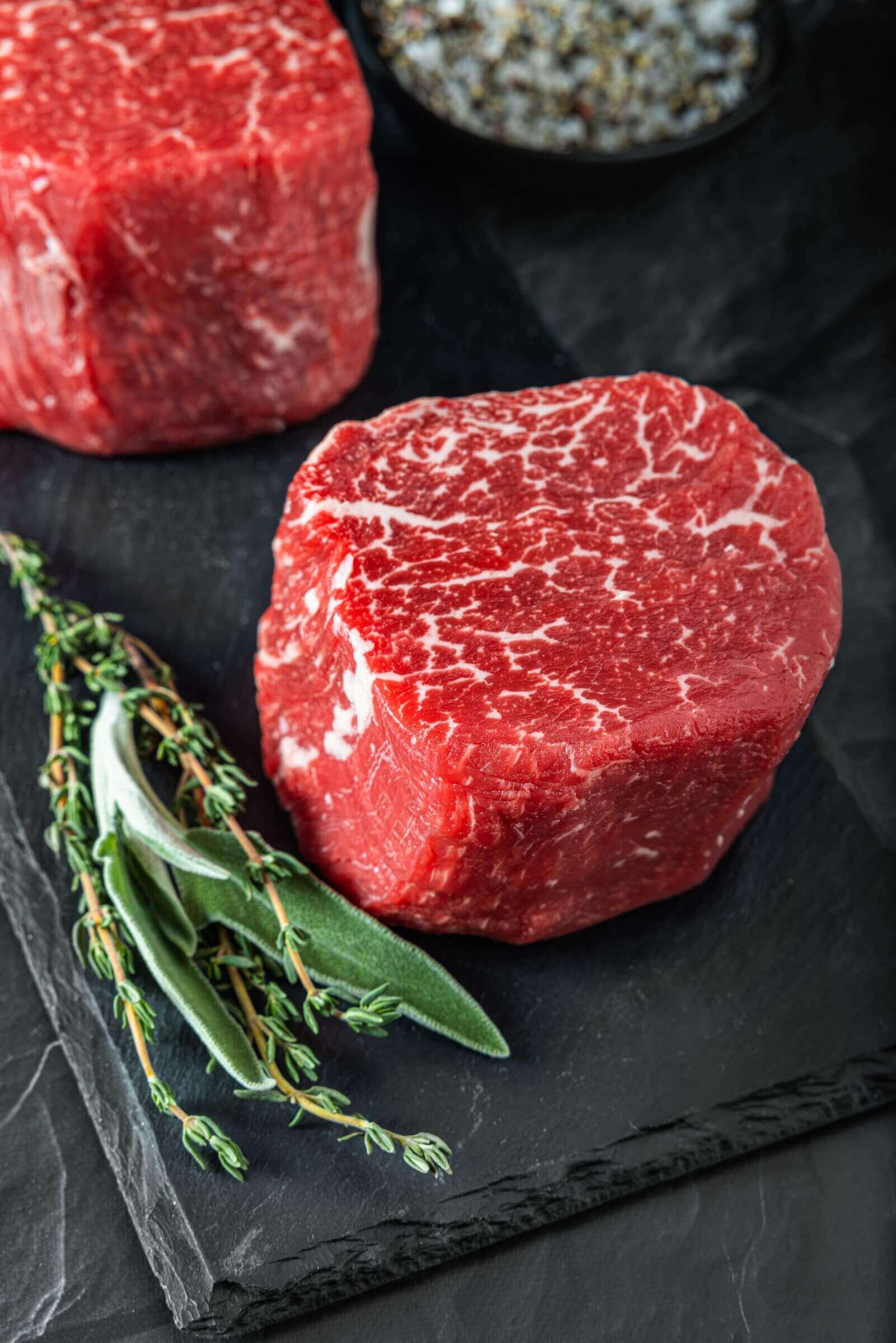
USDA Prime
The highest quality grade, Prime beef has abundant marbling that delivers exceptional tenderness, juiciness, and rich flavor. It is most often found in high-end restaurants and specialty markets.
USDA Choice
Choice beef is high quality with moderate marbling. It is very tender and flavorful, making it a popular option for retail cuts and foodservice programs.
USDA Select
Select beef is leaner with less marbling. It is still a quality product but may benefit from marinating or careful cooking methods to maintain tenderness and moisture.
Why Grading Matters
USDA grading provides a consistent benchmark across the industry, helping ensure buyers receive predictable eating quality while supporting transparency from producer to consumer. It gives farmers a clear standard to aim for, rewards careful animal management, and helps retailers and restaurants confidently deliver a consistent experience to their customers. Ultimately, grading connects every step of the supply chain, from farm to fork, ensuring quality, trust, and satisfaction for everyone involved.